Nursing Home Neglect Lawyer Washington County: Legal Framework and Practical Considerations
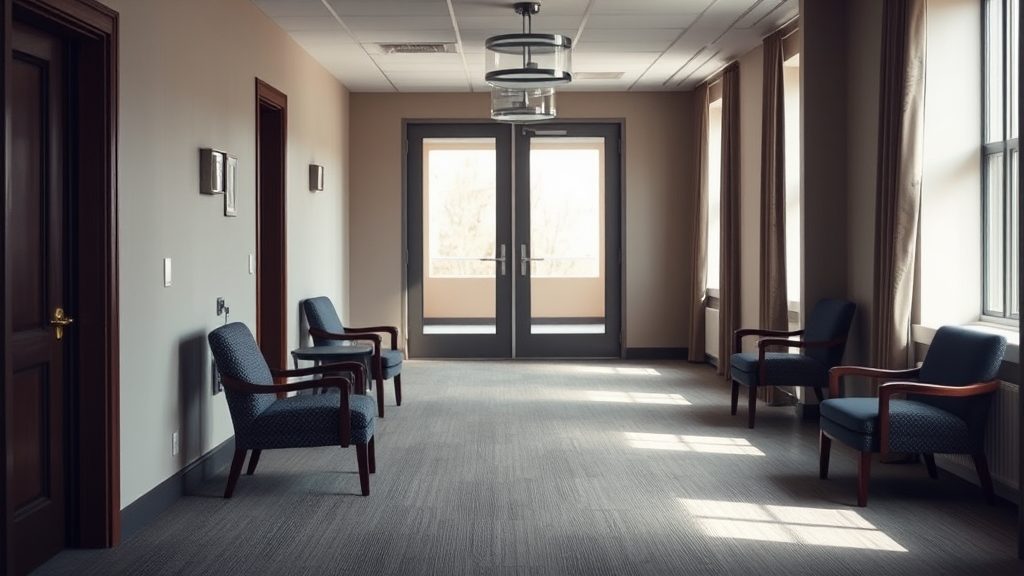
Understanding Nursing Home Neglect
Nursing home neglect encompasses a range of failures to provide adequate care, including inadequate nutrition, insufficient medical attention, and emotional isolation. These issues are not unique to Washington County but are reflected in similar contexts across other regions, such as Denver and Portland. The grounding material emphasizes that neglect can manifest through unexplained injuries, sudden weight loss, or poor hygiene, all of which may indicate systemic failures in care. Analysis of these patterns reveals that neglect often stems from understaffing, lack of training, or insufficient oversight, creating conditions where vulnerable residents are at heightened risk. In Washington County, the absence of specific legal data means that the role of a nursing home neglect lawyer is inferred from broader practices in similar jurisdictions. For instance, legal options in Denver include filing personal injury lawsuits or seeking administrative actions against facilities. While the material does not provide Washington County-specific case law, it underscores that legal strategies often focus on proving negligence, causation, and damages. This approach aligns with the general framework observed in other regions, where evidence collection and witness testimony are critical to building a case.Legal Framework in Washington County
The legal landscape for nursing home neglect in Washington County is not explicitly detailed in the grounding material, but comparisons with other jurisdictions suggest a reliance on state-level statutes and regulatory frameworks. For example, in Tampa, legal claims often hinge on demonstrating that facility staff breached their duty of care, leading to preventable harm. Similar principles likely apply in Washington County, where attorneys would need to navigate state-specific regulations and court procedures. A key challenge in Washington County may involve accessing comprehensive records or facility reports, as seen in San Antonio cases where documentation of medical records and witness statements was pivotal. The material notes that prompt action is critical to preserving evidence, a principle that would extend to Washington County. However, without specific case law or regulatory references for the county, the legal analysis must remain general, drawing on analogous situations in other regions.The Role of the Attorney in Advocacy
Nursing home neglect lawyers in Washington County, like those in Portland or San Antonio, are tasked with gathering evidence, interviewing witnesses, and advocating for victims in court. The grounding material highlights that these attorneys often collaborate with healthcare professionals and regulatory agencies to build strong cases. In San Antonio, for example, legal strategies varied depending on whether the claim involved medical errors, physical abuse, or systemic neglect. This multidisciplinary approach is likely mirrored in Washington County, where attorneys must balance legal advocacy with sensitivity to the emotional and physical needs of victims. The material also emphasizes that local attorneys in regions like Tampa have advantages in understanding jurisdiction-specific procedures. While Washington County is not explicitly addressed, the implication is that local expertise in nursing home standards and judicial systems would be essential for effective representation. This aligns with the broader trend observed in other regions, where proximity to facilities and familiarity with local court systems enhance case outcomes.Case Analysis and Decision-Making
In regions like San Antonio, legal decisions in nursing home neglect cases often hinge on demonstrating that a facility’s actions (or inactions) directly contributed to harm. For instance, wrongful death claims require showing that substandard care led to preventable death, a standard that would likely apply in Washington County. The grounding material does not reference specific Washington County rulings, but it notes that in Tampa, legal teams frequently work with medical experts to document the impact of neglect. This approach would be critical in Washington County, where proving causation and damages is central to securing compensation. The material also highlights that legal options in Portland include both civil lawsuits and administrative actions. While the exact applicability to Washington County is unclear, the decision to pursue litigation or regulatory complaints would depend on the specific circumstances of each case. This reflects a broader trend in elder abuse law, where the choice of legal strategy is tailored to the evidence and the jurisdiction’s regulatory environment.Checklist
- Document all signs of neglect, including unexplained injuries or sudden health changes
- Consult with an attorney to understand legal options, such as filing a lawsuit or administrative complaints
- Preserve evidence through medical records, witness statements, and facility reports
- Compare local regulations and judicial procedures to those in similar jurisdictions (e.g., Denver or Portland)
- Work with healthcare professionals to establish a timeline of events and document the impact of neglect
Citations and Context
The grounding material underscores that Elder Abuse Attorney Help is an editorial research archive, summarizing public materials and case law without offering legal representation. According to the research desk, readers should verify legal authorities before relying on summaries. The material from 2026 highlights that the keyword "nursing home neglect lawyer Washington County" has 16 impressions but no clicks, indicating a potential gap in awareness or accessibility of legal resources in the area. This contrasts with regions like San Antonio, where detailed legal guides are available, suggesting that Washington County may require targeted outreach to educate residents about their rights and legal options.2026 Legal Developments
In 2026, the types of elder abuse claims were categorized into physical and financial exploitation, which are often compared in legal proceedings to determine the severity of neglect. Cases involving nursing-home neglect vs. vulnerable-adult protection typically hinge on the specific categories of harm documented in facility records.
- Physical abuse cases in 2026 frequently cited staff negligence as a contributing factor.
- Legal Protections for Vulnerable Adults in 2026
As of 2026, legal frameworks for vulnerable adults continue to emphasize accountability in cases of neglect and exploitation. Specialized legal teams focus on safeguarding the rights of elderly individuals, ensuring that incidents of abuse are thoroughly investigated and addressed through appropriate legal channels.
Resources for Families Facing Elder Abuse
Families seeking assistance in 2026 can access a range of resources, including guidance on legal rights and community support programs. These tools are designed to empower caregivers and victims alike, promoting transparency and justice in elder care environments.
Frequently Asked Questions
What are common signs of nursing home neglect in Washington County?
Common signs include unexplained injuries, sudden weight loss, poor hygiene, and inadequate medical attention, which may indicate systemic failures in care.
How does the legal framework for nursing home neglect in Washington County compare to other regions?
The legal framework in Washington County is inferred from broader practices in similar jurisdictions, relying on state-level statutes and principles such as proving negligence, causation, and damages.
What role do nursing home neglect lawyers play in Washington County?
They gather evidence, interview witnesses, collaborate with healthcare professionals, and advocate for victims, similar to practices in regions like Portland and San Antonio.
Why is prompt action important in nursing home neglect cases in Washington County?
Prompt action is critical to preserving evidence, such as medical records and witness statements, which are essential for building a legal case.
Sources and Grounding Material
- {"clicks": 0, "date": "2026-09-23", "feed": "ai_mode_query", "impressions": 16, "keyword": "nursing home neglect lawyer washington county", "likely_ai_mode": false, "provider": "google_search_console"}
- denver nursing home neglect lawyer Denver Nursing Home Neglect Lawyer If you suspect nursing home neglect or abuse in Denver, it is crucial to consult with an experienced attorney. A qualified Denver nursing home neglect lawyer can provide legal representation and guidance to protect the rights and well-being of elderly residents. Identifying Nursing Home Neglect Nursing home neglect can manifest in various ways, including inadequate nutrition, lack of medical care, insufficient hygiene, and emotional isolation. Recognizing the signs of neglect is the first step in taking action. If you notice a decline in the health or emotional state of a loved one in a nursing home, it may be necessary to seek legal advice to ensure their safety and well-being. Legal Options for Victims of Nursing Home Neglect Victims of nursing home neglect in Denver have several legal options. These may include filing a personal injury lawsuit, seeking compensation for medical expenses and emotional distress, or pursuing administrative actions against the facility. A skilled lawyer can help navigate the legal system and build a strong case to hold the nursing home accountable for its actions. About the Research Desk Elder Abuse Attorney Help is maintained as an editorial research archive for this topic. It summarizes public materials, case law, and statute-level references without offering intake or representation. Editorial Policy Every page carries the editorial review of Thomas Gennaro, California State Bar #312339, San Diego. We do not publish fake reviews, and this desk does not offer intake or representation. Citations Notice Case references, statute numbers, and procedural rules are cited where relevant. Readers should verify authorities before relying on any summary. Editorial review: Thomas Gennaro, Gennaro Injury Law. California State Bar #312339 · 401 W A St, Suite 1150, San Diego, CA 92101. This desk provides general education, not legal advice. For case-specific questions, contact Gennaro Injury Law at .
- Portland Nursing Home Neglect Lawyer Portland Nursing Home Neglect Lawyer: Protecting Elderly Residents When nursing home staff fail to provide proper care, the consequences can be devastating. If you or a loved one has suffered neglect or abuse in a Portland nursing home, you need an experienced attorney to fight for your rights. What Constitutes Nursing Home Neglect? Nursing home neglect occurs when caregivers fail to meet the basic needs of residents, such as providing adequate food, water, medication, and supervision. This can lead to physical, emotional, and financial harm. If you suspect neglect, don't hesitate to seek legal guidance. Why Choose an Experienced Portland Nursing Home Neglect Lawyer? A knowledgeable attorney can help you navigate the complexities of nursing home abuse cases. They can gather evidence, interview witnesses, and advocate for your rights in court. With their expertise, you can focus on healing while they pursue justice on your behalf. About the Research Desk Elder Abuse Attorney Help is maintained as an editorial research archive for this topic. It summarizes public materials, case law, and statute-level references without offering intake or representation. Editorial Policy Every page carries the editorial review of Thomas Gennaro, California State Bar #312339, San Diego. We do not publish fake reviews, and this desk does not offer intake or representation. Citations Notice Case references, statute numbers, and procedural rules are cited where relevant. Readers should verify authorities before relying on any summary. Editorial review: Thomas Gennaro, Gennaro Injury Law. California State Bar #312339 · 401 W A St, Suite 1150, San Diego, CA 92101. This desk provides general education, not legal advice. For case-specific questions, contact Gennaro Injury Law at .
- nursing home malpractice lawyer tampa Nursing Home Malpractice Lawyer Tampa: Understanding Your Legal Options If a loved one has suffered harm in a nursing home, a specialized attorney can help. This guide explains how legal action may apply to cases of neglect, abuse, or medical errors in Tampa. What Is Nursing Home Malpractice? Nursing home malpractice refers to negligence, abuse, or failure to provide adequate care that results in harm to residents. This includes physical injuries from falls, improper medication administration, emotional distress, or financial exploitation. Legal claims often focus on proving that facility staff or management breached their duty of care, leading to preventable harm. Victims may seek compensation for medical expenses, pain and suffering, or long-term care costs. Signs of Nursing Home Malpractice Common indicators include unexplained injuries, sudden weight loss, poor hygiene, or behavioral changes in residents. Financial exploitation signs may involve unauthorized withdrawals or forged documents. Families should also watch for repeated complaints about staffing shortages or lack of proper medical attention. Documenting these signs through photos, medical records, or witness statements can strengthen a legal case. Prompt action is critical to preserving evidence and ensuring timely intervention. Legal Options for Victims in Tampa Victims of nursing home malpractice in Tampa may pursue civil lawsuits against the facility, its employees, or insurance providers. Claims typically require demonstrating negligence, causation, and damages. Attorneys specializing in this area can help gather evidence, file complaints with regulatory agencies, and negotiate settlements. In some cases, criminal charges may also apply if abuse or intentional harm is involved. Legal strategies vary depending on whether the claim involves medical errors, physical abuse, or systemic neglect. Why Choose a Local Tampa Lawyer Local attorneys understand Tampa-specific regulations, nursing home standards, and judicial procedures. They may have experience working with medical experts, social workers, and law enforcement to build strong cases. Proximity allows for easier communication and access to local court systems. A Tampa-based lawyer can also provide insights into alternative dispute resolution options and help families navigate the emotional challenges of pursuing legal action while caring for an injured loved one. Editorial review: Thomas Gennaro, Gennaro Injury Law. California State Bar #312339 · 401 W A St, Suite 1150, San Diego, CA 92101. This desk provides general education, not legal advice. For case-specific questions, contact Gennaro Injury Law at .
- nursing home abuse lawyer san antonio Nursing Home Abuse Lawyer San Antonio If you or a loved one has experienced nursing home abuse in San Antonio, it's crucial to seek legal assistance to understand your rights and explore potential legal remedies. A dedicated nursing home abuse lawyer can provide the guidance and support needed to navigate this challenging situation. Understanding Nursing Home Abuse Nursing home abuse can take various forms, including physical, emotional, and financial abuse. It can also include neglect, such as inadequate care or medical attention. Recognizing the signs of abuse is the first step in addressing the issue. Common indicators include unexplained injuries, sudden changes in behavior, or a decline in health. Victims of nursing home abuse may also experience feelings of isolation or fear, making it difficult for them to speak out. Seeking help from a knowledgeable nursing home abuse lawyer can provide the necessary support and resources to address these complex issues. Legal Remedies for Nursing Home Abuse When someone experiences abuse in a nursing home, legal action may be necessary to hold the facility accountable and secure compensation for the victim. A nursing home abuse lawyer in San Antonio can help you understand your legal rights and options. This may include filing a lawsuit against the nursing home or its staff for negligence or misconduct. Additionally, they can assist in investigating the circumstances surrounding the abuse, gathering evidence, and working with healthcare professionals to document the impact of the abuse on the victim's well-being. Legal remedies can provide a sense of justice and help prevent future instances of abuse. About the Research Desk Elder Abuse Attorney Help is maintained as an editorial research archive for this topic. It summarizes public materials, case law, and statute-level references without offering intake or representation. Editorial Policy Every page carries the editorial review of Thomas Gennaro, California State Bar #312339, San Diego. We do not publish fake reviews, and this desk does not offer intake or representation. Citations Notice Case references, statute numbers, and procedural rules are cited where relevant. Readers should verify authorities before relying on any summary. Editorial review: Thomas Gennaro, Gennaro Injury Law. California State Bar #312339 · 401 W A St, Suite 1150, San Diego, CA 92101. This desk provides general education, not legal advice. For case-specific questions, contact Gennaro Injury Law at .
- nursing home wrongful death lawyer san antonio Nursing Home Wrongful Death Lawyer San Antonio: Seeking Justice for Families Families in San Antonio who have lost a loved one due to nursing home negligence may be entitled to legal recourse. A specialized attorney can help navigate the complexities of wrongful death claims. Understanding Nursing Home Wrongful Death Claims Wrongful death claims in nursing homes arise when substandard care, neglect, or abuse directly contributes to a resident's death. These cases require proving that the facility failed in its duty of care, leading to preventable harm. Legal action may target inadequate staffing, improper medication management, or failure to address medical emergencies. Families must demonstrate a direct link between the facility's actions (or inactions) and the death to pursue compensation for damages. Responsibilities of Nursing Home Facilities Nursing homes are legally obligated to provide residents with safe, clean environments and appropriate medical care. This includes regular health monitoring, proper nutrition, and protection from physical or emotional harm. When facilities neglect these responsibilities—such as by failing to prevent falls, ignoring signs of infection, or allowing resident abuse—they may face liability. Families seeking justice must show that the facility's breach of duty was a proximate cause of the resident's death. Common Causes of Wrongful Death in Nursing Homes Wrongful death in nursing homes often stems from preventable factors, including understaffing, improper medication administration, physical or emotional abuse, and failure to address medical conditions. Other causes may include unsafe living conditions, lack of proper hydration or nutrition, and inadequate response to resident emergencies. These issues can lead to severe injuries or accelerated decline in health, resulting in death that could have been avoided with appropriate care. The Role of a Wrongful Death Attorney A wrongful death attorney specializing in nursing home cases helps families investigate the circumstances surrounding a loved one's death, gather evidence, and hold negligent parties accountable. They may work with medical experts, review facility records, and negotiate with insurance companies or legal representatives of the facility. These attorneys also guide families through the legal process, ensuring all claims for damages—such as medical expenses, lost income, and emotional pain—are properly addressed. Next Steps for Families in San Antonio Families in San Antonio who suspect nursing home negligence should document all relevant details, including medical records, incident reports, and witness statements. Consulting with an attorney early can help preserve critical evidence and establish a timeline of events. Legal professionals can also explain the statute of limitations for filing claims in Texas and outline potential compensation options based on the specific circumstances of the case. Editorial review: Thomas Gennaro, Gennaro Injury Law. California State Bar #312339 · 401 W A St, Suite 1150, San Diego, CA 92101.